Search here..

Monday, 21 October 2024

The Deep Blue Mystery


 The Deep Blue Mystery : Unveiling Earth's Last Frontier and Its Hidden Wonders. 🌊


  Deep-sea ecosystems represent the largest and one of the least explored habitats on Earth, covering over 95% of the planet's living space. The deep sea begins at depths of about 200 meters, where sunlight is insufficient for photosynthesis, and extends to the ocean's deepest trenches, reaching depths of over 11,000 meters in locations like the Mariana Trench. These ecosystems are characterized by extreme conditions including high pressure, low temperatures, and complete darkness. Despite these harsh environments, they harbor a remarkable diversity of life, including unique species adapted to specific habitats such as abyssal plains, seamounts, hydrothermal vents, and cold seeps. The deep sea is home to various organisms.


  The biodiversity of the deep sea is astounding, with new species being discovered on nearly every expedition. From bioluminescent creatures that create their own light in the darkness to extremophiles thriving in the scorching heat of hydrothermal vents, the adaptations of deep-sea life continue to amaze scientists. Notable examples include the anglerfish with its bioluminescent lure, the giant isopod resembling a prehistoric creature, and the vampire squid that can turn itself inside out. This rich biodiversity not only contributes to the overall health of marine ecosystems but also holds potential for biotechnological and medical applications.


  Deep-sea habitats are intrinsically linked to surface ecosystems through various ecological processes. The biological pump, for instance, transfers carbon from the surface to the deep ocean, playing a crucial role in regulating Earth's climate. Additionally, many commercially important fish species depend on deep-sea habitats for part of their life cycle. Whales, which feed in the deep sea and defecate near the surface, act as nutrient pumps, enhancing surface productivity. Understanding these connections is vital for developing comprehensive marine management strategies that consider the entire water column.


  Deep-sea ecosystems play crucial roles in global processes, including carbon sequestration and nutrient cycling. They also provide essential resources and services, such as biological and mineral resources, which are increasingly threatened by human activities like deep-sea mining and waste dumping. The conservation and sustainable management of these ecosystems are vital, as they are integral to the planet's health.


  As technology advances, human activities are increasingly impacting deep-sea ecosystems. Deep-sea fishing, particularly bottom trawling, can devastate fragile benthic communities that may take decades or centuries to recover. The emerging deep-sea mining industry threatens to disrupt unique habitats like hydrothermal vents and seamounts, potentially causing irreversible damage to ecosystems we barely understand. Climate change also poses a significant threat, as rising temperatures and ocean acidification can disrupt the delicate balance of deep-sea environments. Conservation efforts must focus on establishing marine protected areas, implementing sustainable resource management practices, and conducting further research to better understand and protect these vital ecosystems.


📝Tharaka Nimsara 

1st Year(22/23 batch)


#DEEPSEAECOLOGY

#AQUATICS

#ASA

#USJ

Share:

Monday, 7 October 2024

The Stone Fish


 The Stone Fish -  World's Most Venomous Fish 🐟 


"Stonefish" is the most venomous fish in the world. The stonefish, belonging to the genus _Synanceia_, holds the notorious title of the world’s most venomous fish. Found predominantly in the coastal regions of the Indo-Pacific, including Australia’s Great Barrier Reef, these masters of camouflage are a fascinating yet fearsome presence in marine ecosystems.


Stonefish are incredibly adept at blending into their surroundings. With a body that resembles a rough, encrusted rock or coral, they lie motionless on the seafloor, often partially buried in sand. This camouflage not only protects them from predators but also allows them to ambush their prey. When a small fish or invertebrate swims by, the stonefish strikes with lightning speed, swallowing its meal whole.


This fish has 13 spines along its dorsal fin, each connected to venom glands. When threatened or accidentally stepped on by an unwary swimmer, the stonefish can inject a potent venom through these spines. The venom, which contains neurotoxins and cytotoxins, can cause intense pain, swelling, tissue death, and, in severe cases, heart failure or death. The best immediate treatment is to immerse the affected area in hot water, as heat can help neutralize the venom. Medical attention is essential, and antivenom may be required for severe stings.


Stonefish play a crucial role in the marine ecosystem. As ambush predators, they help regulate the population of smaller fish and invertebrates, maintaining balance within their habitat. Their presence also contributes to the health of coral reefs, as they help control species that might otherwise overgraze on the coral.


Stonefish are not currently considered endangered, but like many marine species, they are affected by habitat destruction, pollution, and climate change. Protecting coral reefs and coastal ecosystems is vital for ensuring the survival of these and other marine species.


📝K.W.Priyankara

3rd year (20/21 batch)


#STONEFISH

#AQUATICS

#ASA

#USJ

Share:

Monday, 23 September 2024

Tide Pool Wonders


 Tide Pool Wonders: Unveiling the Secrets and Survival of Tide Pool Dwellers🌊


Tide pools are like mini underwater worlds on the beach. They are isolated pockets of seawater found in the ocean's intertidal zone. These tide pools appear when the tide, which is the rise and fall of the sea, recedes. When the tide goes out, it leaves behind puddles of water in rocky holes and dents in the sand. These puddles form tide pools. They are full of animals and plants that are used to living in a tough place where the sea meets the land. Tide pools are like secret gardens that only appear for a little while, twice a day. 


Tide pools are home to a wide variety of animals, many dependent on one another to survive. Some common residents are anemones, barnacles, crustaceans (like hermit crabs, shore crabs, and shrimp), sea stars, sea urchins, mussels, and other bivalves. However, the permanent residents of the tide pools live in what is known as the intertidal zone, also referred to as the littoral zone, foreshore, or seashore. Depending on the geography of this zone, it is a very important ecosystem and provides homes for many different types of animals.


Unique residents of tide pools include "The Barnacle Builders." They are like tiny architects, constructing protective shells on rocks and even boat hulls. Their feather-like appendages capture passing meals in the water. Mussels, those dark-shelled clingers, are the anchors of the intertidal zone. They hold tight to rocks and are skilled filter feeders, sipping plankton from the passing water. Sea anemones, with their mesmerizing swaying tentacles, are the hunters of the tide pools. They grasp small prey with their stinging tentacles and are masters of disguise when the tide recedes. Sea stars, often known as starfish, are the predators of the tide pool. They pry open the shells of mussels and other creatures with their tube feet. Sea urchins are omnivores that graze on algae and kelp, using their tube feet and spines for mobility and defense. Crabs carry their homes with them, often in discarded snail shells. They are scavengers, finding bits of food to nibble on.


Climate change, energy development, invasive species, over-harvesting, ocean acidification, and oil spills are threats to these resources. In addition, the popularity of rocky shores with park visitors can lead to adverse impacts on intertidal species.


However, walking through tide pools is very dangerous to the tiny, delicate marine organisms living there because they can be easily crushed underfoot. Exploring pools usually means turning over rocks that may be protecting animals from light and air, which could kill them. Pulling intertidal animals off the rocks or poking them with sticks can damage or destroy them. Few organisms survive being removed from their tide pool home.


Many tide pool animals can be safely touched if done gently and respectfully. For instance, don't poke anemones. Only pick up organisms if it's easy to do so. Do not remove any animal attached to a surface, even slightly, as it can harm them. Animals like limpets, chitons, barnacles, mussels, sea stars, and urchins are attached to rocks and shouldn't be forced off. Don't pick up animals that are swimming away, resisting, or hiding in crevices, such as lobsters, sea urchins, or octopuses. These animals are fragile and easily stressed, so they should be left alone.


When it comes to protecting the intertidal zones, the government and small organizations have taken a stance. The government has created laws that protect these tidal areas. These laws are mostly aimed at the conservation and protection of the abiotic and biotic features in the region.


Tide pools are not just fascinating natural wonders, but also delicate ecosystems that deserve our respect and protection. As we marvel at the resilience and adaptability of tide pool dwellers, we must also recognize our responsibility as stewards of these unique environments. By practicing responsible exploration, supporting conservation efforts, and educating others about the importance of these miniature marine worlds, we can help ensure that future generations will continue to enjoy the magic of tide pools.


Tharushi Jayarathna  

2nd year (21/22 batch)


#AQUATICS

#ASA

#USJ

Share:

Monday, 16 September 2024

World Ozone Day


 The Ozone Layer: Earth’s Natural Sunscreen. Let’s Keep It Stronger.


Various biological groups, especially marine ecosystems, terrestrial plants, and humans, are now at great risk of losing a healthy existence due to the depletion of the ozone layer. This issue has the potential to disrupt ecosystems, food webs, and biodiversity on a global scale. It is our responsibility to address this problem, as we are the ones responsible for the current condition of the ozone layer.


As naturalists, let’s make this a day to:


- Start using eco-friendly products.  

- Limit personal vehicle use and use public transportation instead.  

- Grow a plant in your garden.  

- Recycle old refrigerators, air conditioners, or other old appliances through environmentally friendly recycling programs.  

- Educate others by sharing the knowledge you’ve just read.


On this special day, let’s unite our minds and hearts to save the ozone layer as an act of service to Mother Nature by humankind.


#AQUATICS 

#ASA

#USJ

Share:

Tuesday, 10 September 2024

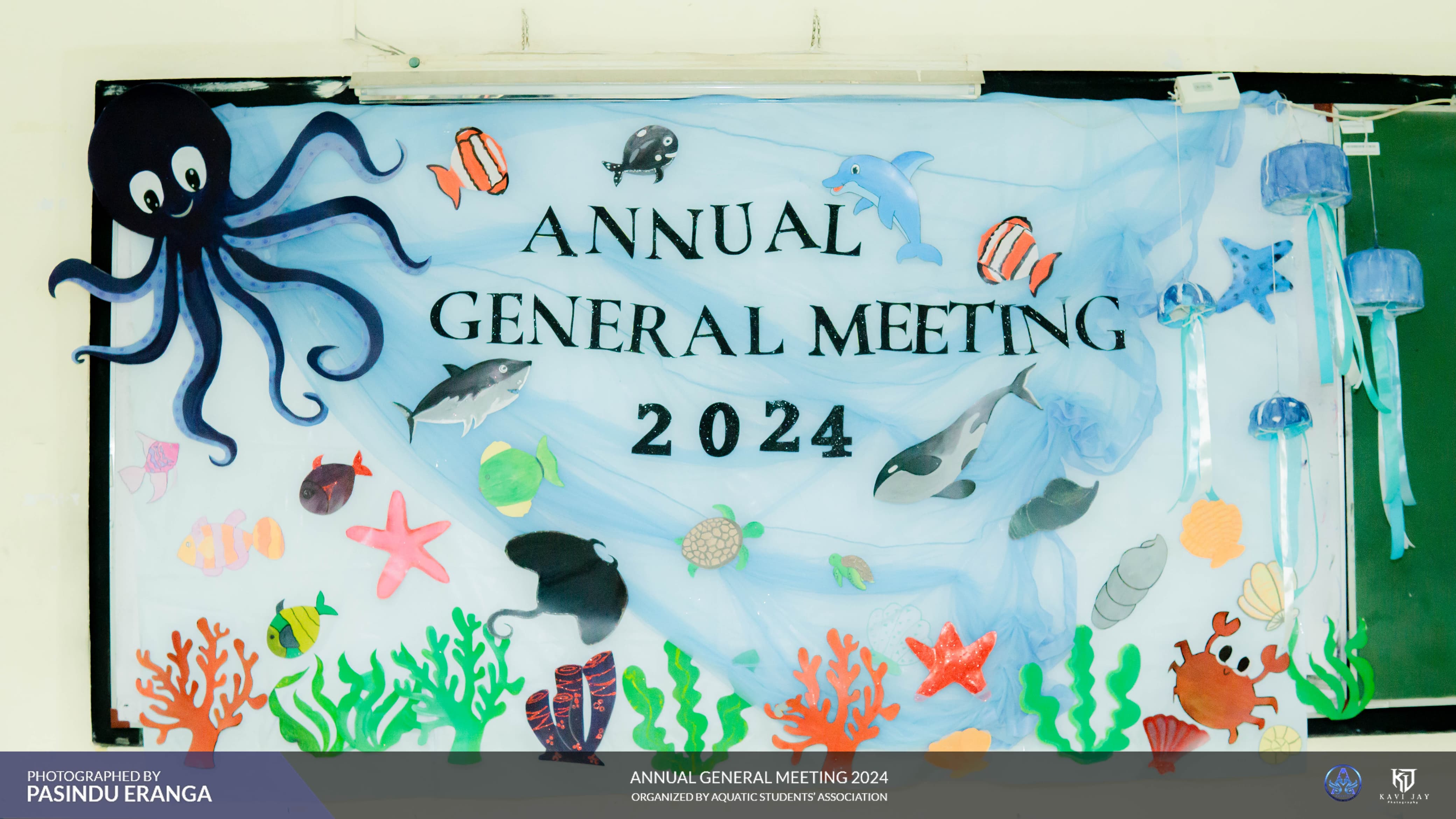
Annual General Meeting 2024

Memories from the Aquatic Students' Association Annual General Meeting 2024!🌊✨


It was an important event bringing together lecturers, students and professionals to discuss the future work of the Aquatic Students Association and share knowledge. 

A special thanks to all those who attended and contributed to the success of the meeting. 

Let’s continue working together to achieve great things this year.💫


Looking forward to the exciting initiatives ahead! Stay connected for more updates!🌟

#AQUATICS
#ASA
#USJ


Share:

Contact Form

Name

Email *

Message *

Featured post

Mic On 2020

       ‘Mic On 2020’ - An Intra faculty, song and instrumental cover contest, was successfully organized by the Aquatic students’ Associatio...